
Live shellfish need a few simple checks before they go into the pan or onto a platter. Start by keeping them cold, then sort out any damaged or lifeless specimens and clean each type according to its needs. Mussels and clams may need rinsing or purging; oysters need careful scrubbing and shucking. These steps help you handle shellfish with confidence and keep its natural flavor at the center of the meal.
Check and store shellfish
Buy live shellfish from a reputable seller and ask how it should be stored and cooked. At home, refrigerate it promptly in a clean container, covered with a damp cloth. Do not seal live shellfish in an airtight bag or leave it sitting in fresh water, which can prevent it from staying alive. Keep it separate from ready-to-eat foods and use it as soon as practical.
Before cleaning, inspect each shell. Discard cracked or badly damaged shells. For mussels and clams, tap any open shells gently; discard those that do not close. Do not rely on smell alone to judge safety, and never taste shellfish that seems questionable. Follow any handling instructions from the seller or local food-safety guidance.
Clean mussels and clams
Rinse mussels under cold running water and scrub away grit or debris with a firm brush. Pull off the fibrous beard, if present, by gripping it and drawing it toward the hinge. For clams, scrub the outside of each shell under cold water. Keep the shells cold while you work, and avoid leaving them soaking in a bowl of tap water.
Some clams may contain sand and benefit from purging. Ask the seller whether they have already been purged and follow their directions. If purging is needed, use clean seawater or a suitable saltwater solution rather than plain fresh water, and keep the clams chilled. Rinse them again before cooking. Discard any that remain open and do not respond to a gentle tap.
Prepare oysters and crabs
Scrub oyster shells under cold running water just before opening. Use a purpose-made oyster knife and a folded towel or cut-resistant glove to steady the oyster, keeping the blade pointed away from your hand. Open it over a bowl to catch the liquor, then check that the oyster looks and smells fresh. If you are not comfortable shucking, ask the fishmonger to do it or cook oysters in their shells.
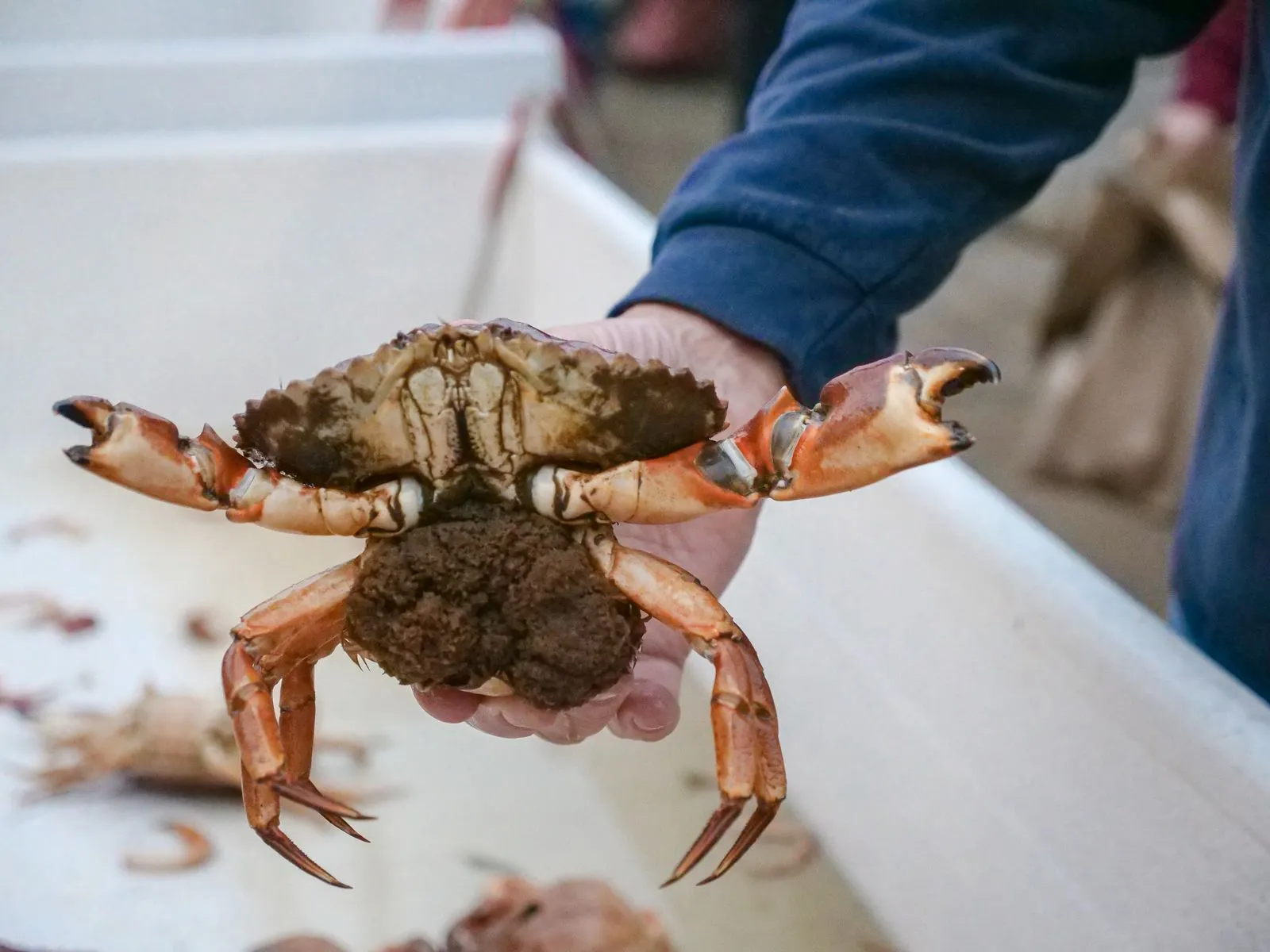
Live crabs require careful, species-specific handling. Keep them cold and follow the seller’s instructions for cleaning and cooking; do not attempt to handle a crab by its claws. If a crab needs cleaning, use a stable work surface and appropriate tools, or ask the seller to prepare it. Cook shellfish promptly after cleaning, and keep raw shellfish and its juices away from cooked food.
Cook and serve safely
Cook mussels and clams in a covered pot until their shells open, following a reliable recipe for timing and heat. Discard any that stay closed after cooking. Cook oysters thoroughly if serving them cooked, and use a trusted recipe for crab. Shellfish cooking times vary with size and method, so avoid guessing or relying on appearance alone as the only safety check.
Wash your hands, knife, board, and sink area after handling raw shellfish. Use clean plates and utensils for cooked food rather than those that held it raw. Refrigerate leftovers promptly in a covered container and follow food-safety guidance for storage and reheating. When serving raw or lightly cooked shellfish, remember that it carries greater food-safety risk, especially for people who are pregnant, older, or have weakened immune systems.
A cold start, careful inspection, and type-specific cleaning make shellfish easier to prepare at home. Keep raw shellfish separate from cooked foods, cook it using a reliable method, and discard anything that fails basic checks. For help choosing shellfish or understanding its preparation needs, ask your local fishmonger before you cook.